The Recipe SEO Checklist Every Food Blogger Should Follow
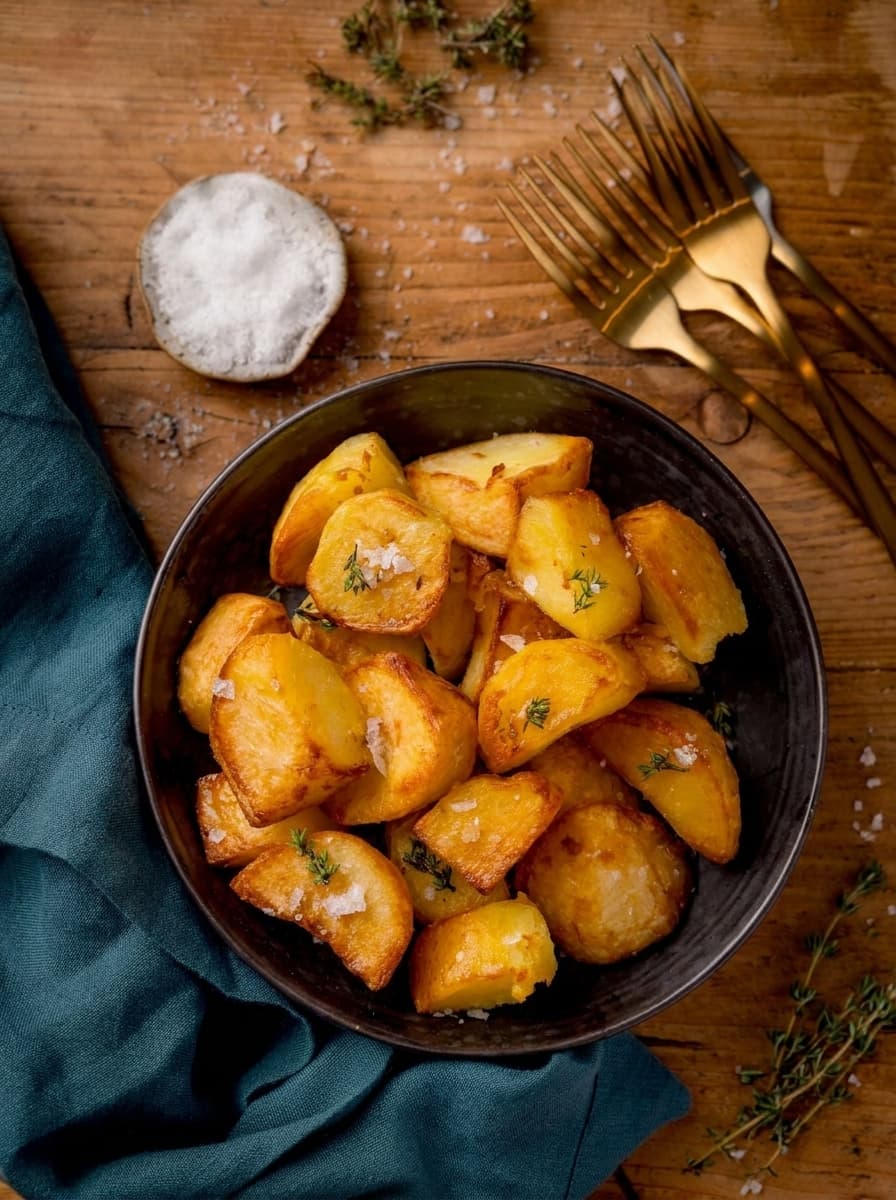
You can write the best recipe on the internet, but if Google can't find it, nobody's cooking it. Recipe SEO isn't complicated — it's just specific. Here's the checklist we use on every article we publish.
Title Tag
Your title tag is the single most important on-page SEO element. It should include:
- The recipe name (primary keyword)
- A modifier that adds search value ("Easy," "15-Minute," "One-Pot")
- Under 60 characters so it doesn't get truncated in search results
Example: "Easy One-Pot Chicken Alfredo (30 Minutes)" — 46 characters, primary keyword front-loaded, modifier adds long-tail value.
Meta Description
Write a meta description that makes searchers click. Include the recipe name, a benefit, and a call-to-action. Keep it under 155 characters.
Don't stuff keywords into the meta description. It doesn't directly affect rankings, but it affects click-through rate — which does.
Recipe Schema Markup
If you're using WordPress with a recipe plugin (WPRM, Tasty Recipes), your schema is probably handled automatically. But verify it:
- Recipe name matches the H1
- Cooking time, prep time, and total time are filled in
- Nutrition data is included (all 11 metrics if possible)
- At least one image is attached to the schema
- FAQ schema is included if you have FAQ sections
Use Google's Rich Results Test to check your schema before publishing.
Heading Structure
- H1: Recipe name (only one per page)
- H2: Major sections ("Ingredients," "Instructions," "Tips," "FAQ")
- H3: Sub-sections within H2s ("Storage Instructions," "Substitutions")
Don't skip heading levels. Don't use headings for styling. Every H2 should be a section a reader might search for.
Internal Linking
Every recipe post should link to 3–5 related recipes on your blog. This helps Google understand your site structure and keeps readers on your site longer.
Link naturally within the content: "If you love this chicken alfredo, try our garlic bread recipe — it's the perfect side."
Image Optimization
- File names: Use descriptive names, not IMG_4392.jpg. Use "one-pot-chicken-alfredo-finished.jpg"
- Alt text: Describe the image for accessibility and SEO. "A bowl of creamy one-pot chicken alfredo topped with fresh parsley"
- File size: Compress images to under 200KB without visible quality loss
- Dimensions: Hero images at 1200x800px minimum for social sharing
URL Structure
Keep URLs short, readable, and keyword-focused:
- Good:
/one-pot-chicken-alfredo/ - Bad:
/2026/04/easy-one-pot-chicken-alfredo-recipe-best-ever/
Remove dates from URLs. Remove filler words. The URL should be the recipe name and nothing else.
FAQ Section
Add 2–3 FAQ questions at the bottom of every recipe post. These target "People Also Ask" boxes in Google and give you extra keyword coverage.
Write questions that real people search for: "Can I make this ahead of time?" "What can I substitute for heavy cream?" "How long does this keep in the fridge?"
What to Read Next
- How to Start a Food Blog in 2026 — the complete guide from niche to first $1,000
- How to Write a Recipe Blog Post That Ranks — structure and formatting that Google rewards
- Recipe Schema Markup Guide — get your recipes into Google Rich Results
- Best WordPress Themes for Food Blogs — the tech stack that supports good SEO
- Internal Linking Strategy for Food Blogs — the linking system that boosts rankings
Need publish-ready recipe articles with all of this built in? Check out our recipe article service — SEO-optimized, zero edits required.