Best Time to Post on Pinterest for Food Bloggers (2026 Data)
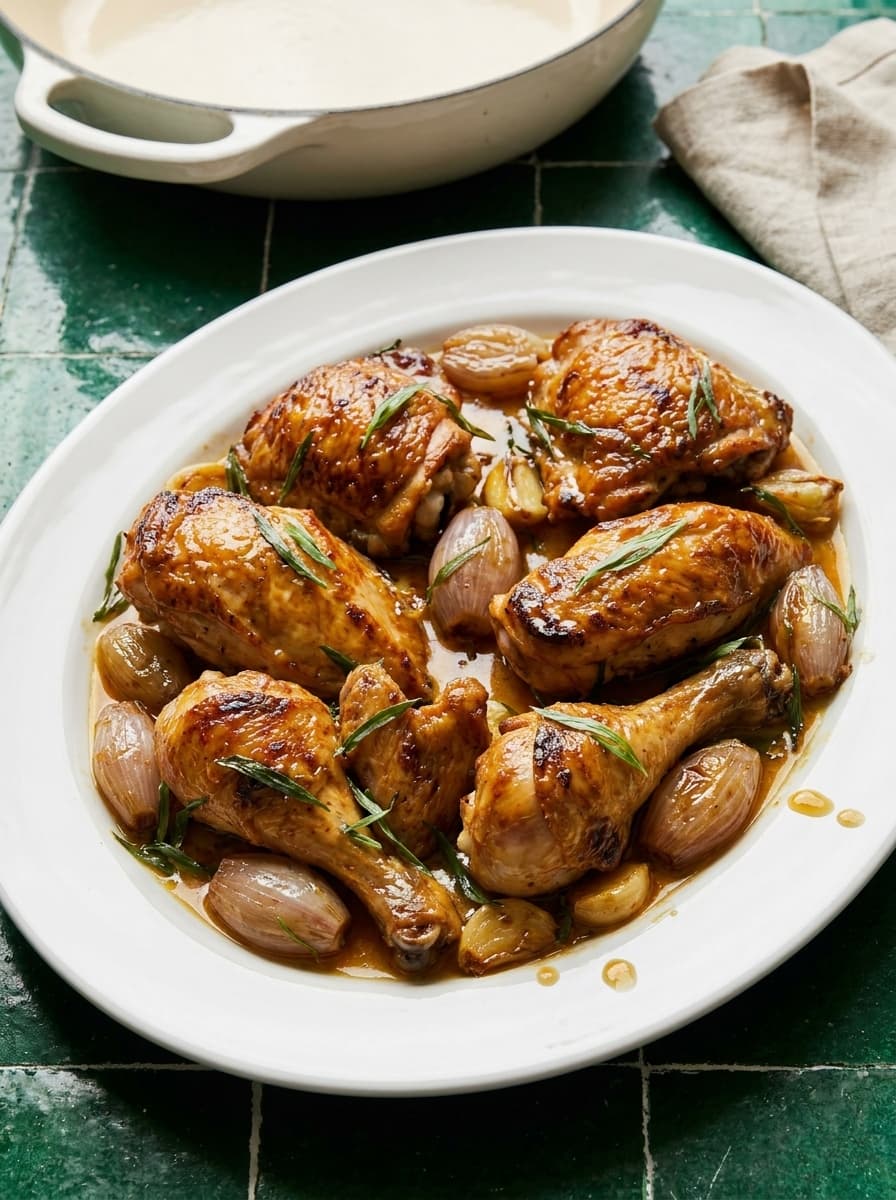
Every food blogger asks the same question: when is the best time to post on Pinterest? The short answer is that it depends on your niche and audience. The long answer — backed by data from 16 live food-blog accounts — is more useful.
The Short Answer
For food bloggers specifically, the highest engagement windows we see across our accounts are:
- Weekdays: 8–11 PM (evening meal planning)
- Weekends: 8–10 AM (weekend brunch/cooking inspiration)
- Peak days: Friday, Saturday, Sunday (meal planning and grocery shopping)
But timing is only one variable. Frequency and consistency matter more than hitting the perfect hour.
Why Timing Matters Less Than You Think
Pinterest is not Instagram. When you post on Instagram, your content has a 24–48 hour window before it dies. Pinterest pins have a lifespan of 3–6 months — sometimes years.
This means the "best time to post" has a much smaller impact on Pinterest than on any other platform. A pin posted at 3 AM can still gain traction over the next 90 days as the Pinterest algorithm indexes and distributes it.
What actually drives Pinterest performance:
- Pin quality — design, image, text overlay
- Keyword optimization — title, description, board name
- Consistency — daily pinning at a steady cadence
- Freshness — new pin designs for existing content
Timing is the cherry on top, not the cake.
How Many Pins Per Day for Food Bloggers
This is where the real data matters. After managing 16 food-blog accounts, here's what we've found:
5–15 fresh pins per day is the sweet spot for food bloggers.
Less than 5 per day: the algorithm doesn't see enough activity to boost your distribution. More than 25 per day: diminishing returns, and Pinterest may flag aggressive pinning behavior.
The breakdown:
- New food blogs (0–50 posts): 5–8 pins/day. Focus on fresh pin designs for each of your existing recipes.
- Growing food blogs (50–200 posts): 10–15 pins/day. Mix of fresh pins for new content + redesigned pins for top performers.
- Established food blogs (200+ posts): 15–20 pins/day. Systematic rotation through your entire content library with fresh designs.
Fresh Pins vs Repins
Pinterest's algorithm heavily favors fresh pins — new images linking to existing URLs. Repinning the same image over and over does almost nothing in 2026.
What counts as a fresh pin:
- A new image design linking to an existing recipe post
- A different text overlay on the same photo
- A new photo (or AI-generated image) linking to the same URL
What doesn't count:
- Saving someone else's pin to your board (this helps the original pinner, not you)
- Re-uploading the exact same image file
For every recipe, create 3–5 different pin designs. Pin one per week over a month. This gives Pinterest fresh signals while targeting the same content.
Building a Pinterest Content Strategy
A posting schedule without a strategy is just activity without results. Here's the content strategy framework we use:
Weekly rhythm:
- Monday–Friday: 2–3 new recipe pins + 2–3 redesigned pins for older content
- Saturday–Sunday: Focus on seasonal and trending recipe pins (these get searched most on weekends)
Seasonal planning: Pinterest users search 2–3 months ahead. In March, they're searching for Easter and spring recipes. In September, they're looking for Thanksgiving and holiday baking.
Plan your pin content calendar around these seasonal spikes:
- January: healthy eating, meal prep, detox
- February: Valentine's Day, comfort food
- March–April: Easter, spring recipes, grilling
- May–June: summer BBQ, salads, cold drinks
- July–August: back-to-school meal prep, easy dinners
- September–October: fall baking, Halloween treats, Thanksgiving prep
- November–December: Thanksgiving, Christmas, holiday cookies, New Year's appetizers
Start pinning seasonal content 45–60 days before the event. This gives Pinterest's algorithm time to index and distribute your pins before search demand peaks.
Pinterest Scheduling Tools
Manual pinning 10+ times per day isn't realistic for most food bloggers. Use a scheduler:
Tailwind — the most popular Pinterest scheduler. Supports smart scheduling (picks optimal times based on your audience), interval pinning, and board lists. $15–$30/month.
Pinterest's native scheduler — free, built into Pinterest's business tools. Basic but functional. You can schedule pins up to 30 days in advance.
Later — primarily an Instagram tool but supports Pinterest scheduling. Good if you already use Later for other platforms.
Our recommendation: Tailwind if you're managing Pinterest yourself. If you hire a Pinterest manager, they'll handle scheduling as part of the service.
The Real Secret: Consistency Beats Timing
After 5 years of managing food-blog Pinterest accounts, the single biggest predictor of growth isn't when you pin — it's whether you pin every single day without gaps.
Accounts that pin daily for 90+ days consistently outperform accounts that pin sporadically, even if the sporadic pinner hits "optimal" times.
The Pinterest algorithm rewards accounts that show consistent activity. A 2-week gap in pinning can take weeks to recover from in terms of distribution.
The practical advice:
- Pick a scheduler
- Batch-create 2 weeks of pins at a time
- Schedule them daily at consistent times
- Repeat every two weeks
- Review analytics monthly and adjust
Don't overthink the timing. Overthink the consistency.
What to Read Next
If you're building a Pinterest strategy for your food blog, these guides go deeper on the pieces that matter:
- The Complete Pinterest Guide for Food Bloggers — the full playbook from account setup to scaling
- Pinterest Virtual Assistant vs Pinterest Manager — deciding who should run your Pinterest
- Pinterest Algorithm Explained for Food Bloggers — understand what drives distribution
- Seasonal Pinterest Strategy for Food Bloggers — monthly calendar for content planning
Want someone to handle Pinterest scheduling, pin design, and strategy for you? Our Pinterest management service runs your account daily — so you can focus on recipes.