Pinterest Marketing Plan for Food Bloggers: The 2026 Playbook
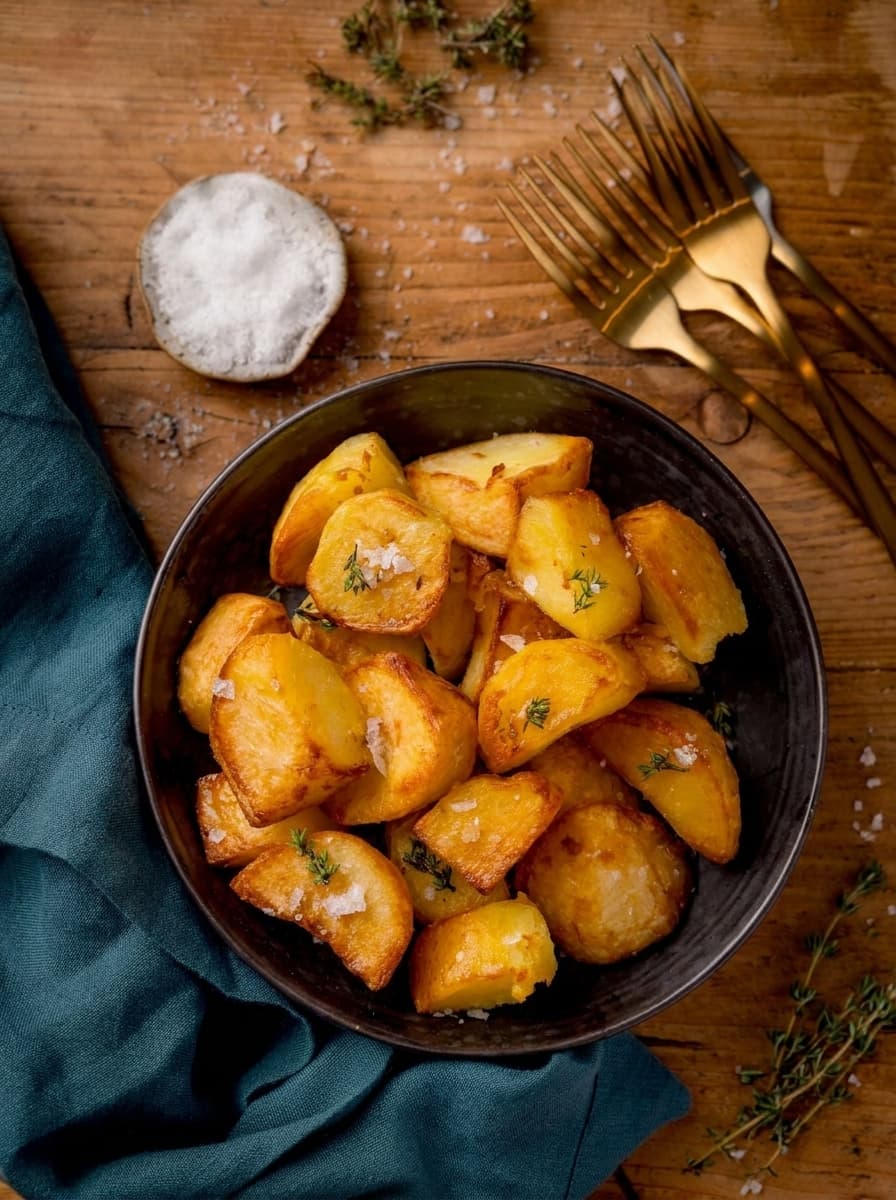
A Pinterest marketing plan for food bloggers isn't complicated. It's a system — set it up once, execute daily, review monthly. Most food bloggers fail on Pinterest because they pin randomly without a plan. Here's the plan.
Phase 1: Foundation (Week 1)
Account setup:
- Create or convert to a Pinterest business account
- Claim your website (enables rich pins)
- Write a keyword-rich profile description
Board creation (15-20 boards):
- Name each board with a search term ("Easy Chicken Recipes" not "Clucking Good")
- Write 2-3 sentence keyword-rich descriptions for every board
- Set board categories in settings
- Organize boards by recipe category, not by aesthetic
For detailed board strategy, read our Pinterest Board Strategy guide.
Phase 2: Content Creation (Week 2-3)
Pin design batch:
- Create 3-5 pin designs for your top 10 recipe posts
- Follow the pin design principles — 2:3 ratio, legible text, high-quality food image
- Write unique keyword-optimized titles and descriptions for each pin
Content inventory:
- List every published recipe on your blog
- Prioritize by: seasonal relevance, recipe quality, existing traffic
- Plan pin creation in batches of 10 recipes at a time
Phase 3: Daily Execution (Ongoing)
Daily pinning cadence:
- New blogs (0-50 posts): 5-8 pins per day
- Growing blogs (50-200 posts): 10-15 pins per day
- Established blogs (200+ posts): 15-20 pins per day
Schedule tools: Tailwind ($15-30/month) or Pinterest's native scheduler (free). Batch-create 2 weeks of pins, schedule them, repeat.
Content mix:
- 70% fresh pins for your own content (new designs for existing posts)
- 20% fresh pins for new blog posts
- 10% engagement (saving relevant content to your boards)
For optimal scheduling times, read Best Time to Post on Pinterest.
Phase 4: Monthly Review
Every month, review your Pinterest analytics and adjust:
Metrics to track:
- Outbound clicks (your north star)
- Impressions (distribution reach)
- Save rate (algorithm signal)
- Top performing pins (what to make more of)
Monthly actions:
- Identify top 5 performing pins — create similar designs for related recipes
- Identify bottom 5 — analyze why they underperformed, adjust approach
- Update seasonal content — start pinning next season's recipes 45-60 days ahead
- Create fresh pin designs for any high-performing recipes that haven't been re-pinned in 30+ days
For analytics guidance, read our Pinterest Analytics Guide.
The 90-Day Milestone
After 90 days of consistent execution, you should see:
- Impressions trending upward month over month
- First pins appearing in Pinterest search results
- Outbound clicks becoming a measurable traffic source in Google Analytics
- A library of 100+ pins across your recipe catalog
If you're not seeing growth after 90 days of daily pinning, the issue is usually pin quality (design or SEO), not timing or frequency. Revisit your pin design and keyword strategy.
Seasonal Calendar
Pinterest users search 45-60 days ahead. Plan accordingly:
| Month | What to Pin |
|---|---|
| January | Healthy eating, meal prep, detox, new year |
| February | Valentine's Day, comfort food, chocolate |
| March-April | Easter, spring recipes, grilling season starts |
| May-June | Summer BBQ, salads, cold drinks, picnic |
| July-August | Back-to-school, easy dinners, meal prep |
| September-October | Fall baking, Halloween, pumpkin, apple |
| November | Thanksgiving, sides, pies, hosting |
| December | Christmas cookies, holiday meals, New Year's appetizers |
For a detailed seasonal strategy, read our Seasonal Pinterest Strategy guide.
What to Read Next
- The Complete Pinterest Guide for Food Bloggers — the full reference
- Pinterest SEO for Food Bloggers — keyword research and optimization
- Pinterest Pin Design Tips — designs that drive clicks
- Pinterest Algorithm Explained — work with the algorithm
- Seasonal Pinterest Strategy — monthly content calendar
Want someone to execute this plan for you? Our Pinterest management service runs this exact playbook on your account — starting at $250/month.