Building Topical Authority for Food Blogs: The Complete Strategy
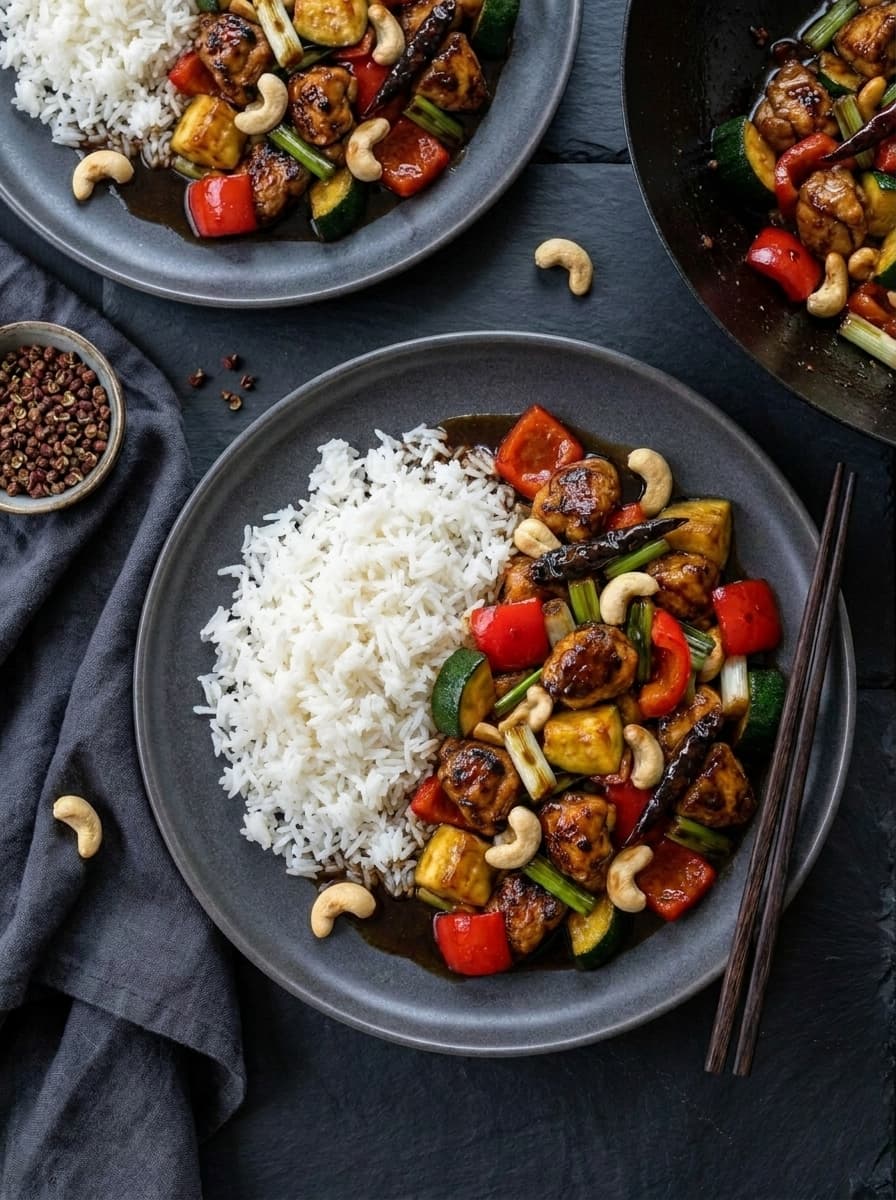
Topical authority is Google's way of measuring whether your site is a genuine expert on a topic. A food blog with 80 chicken recipes, complete recipe schema, comprehensive internal linking, and consistent publishing signals "this site knows chicken." Google rewards that with higher rankings across all chicken-related keywords.
What Topical Authority Means for Food Blogs
When Google sees that your blog covers a topic comprehensively — not just one recipe but the entire sub-topic — it trusts your site more for that topic. This trust translates to:
- Higher rankings across all keywords in that topic cluster
- Faster indexing of new content in that topic
- Featured snippet eligibility for questions in your topic
- Resistance to algorithm updates (authoritative sites are more stable)
How to Build Topical Authority
Step 1: Define Your Topic Clusters
Your food blog niche should have 5-10 topic clusters. Each cluster is a group of related recipes and content.
Example for a weeknight dinner blog:
- Chicken dinner recipes (cluster of 20+ recipes)
- Pasta dinner recipes (cluster of 15+ recipes)
- Sheet pan dinner recipes (cluster of 15+ recipes)
- 30-minute meal recipes (cluster of 20+ recipes)
- Meal prep recipes (cluster of 15+ recipes)
Each cluster needs a pillar post (comprehensive guide) and supporting posts (individual recipes and guides).
Step 2: Go Deep Before Going Wide
The mistake: publishing 1 chicken recipe, 1 pasta recipe, 1 soup recipe, 1 salad recipe. Google sees a blog that knows a little about everything but nothing deeply.
The strategy: Publish 15-20 chicken recipes before moving to pasta. Cover the sub-topic comprehensively — chicken thighs, chicken breast, whole chicken, chicken soup, chicken stir fry, chicken pasta, chicken salad, chicken meal prep.
After 15-20 chicken recipes, Google recognizes your site as a chicken recipe authority. Then expand to pasta, then sheet pan dinners.
Step 3: Internal Link Everything
Internal links are the wiring that tells Google "these pages are connected and this site covers this topic thoroughly."
Every recipe should link to:
- The pillar post for its cluster
- 2-3 related recipes in the same cluster
- 1 recipe in a different cluster (cross-linking)
For the complete linking strategy, read our Internal Linking guide.
Step 4: Cover Every Question
Google's "People Also Ask" boxes show questions real users ask about your topic. Answering these questions on your blog — in FAQ sections, in dedicated posts, or in comprehensive guides — signals comprehensive topic coverage.
For "chicken thigh recipes," PAA might show:
- How long to bake chicken thighs?
- What temperature for chicken thighs?
- Are chicken thighs healthier than breast?
Cover all of these. Each answered question is another signal of topical depth.
Step 5: E-E-A-T Signals
E-E-A-T (Experience, Expertise, Authoritativeness, Trustworthiness) is how Google evaluates content quality. For food blogs:
Experience: Show you've actually made the recipe. Personal tips, process photos, storage advice from real experience.
Expertise: Demonstrate food knowledge. Why does this technique work? What's the science behind searing? What makes this substitution work?
Authoritativeness: Consistent publishing in your niche over time. An author bio with your food credentials. Links from other food sites.
Trustworthiness: Complete recipe schema, accurate nutrition data, proper sourcing, transparent about AI photos if used.
Step 6: Update and Maintain
Topical authority isn't set-and-forget. Update old posts regularly — add new information, refresh images, add internal links to newer content. Google values maintained, living content over abandoned static pages.
The Compounding Effect
Topical authority compounds over time:
Month 1-6: Publish 50 recipes across 3 clusters. Minimal Google traffic. Pinterest drives early visitors.
Month 7-12: Google starts recognizing your clusters. Individual recipes begin ranking page 2-3. Some hit page 1 for long-tail keywords.
Month 13-18: Authority kicks in. New recipes rank faster. Old recipes climb. Your whole chicken cluster moves from page 3 to page 1-2.
Month 19-24: New recipes in established clusters can hit page 1 within weeks. Your blog is a recognized authority in your niche.
This is why consistency matters more than any single post. Authority is cumulative.
What to Read Next
- How to Choose a Food Blog Niche — authority starts with the right niche
- Food Blog Competition Analysis — find gaps in competitor authority
- Recipe SEO Checklist — the SEO foundation for every post
- Internal Linking Strategy — the wiring that connects your authority
- How to Update Old Posts — maintain and grow authority
Building authority takes consistent content. Our recipe article service ships SEO-optimized posts that build your topical depth — $30/article.