AI Food Photography vs Real Photography: What Food Bloggers Should Know
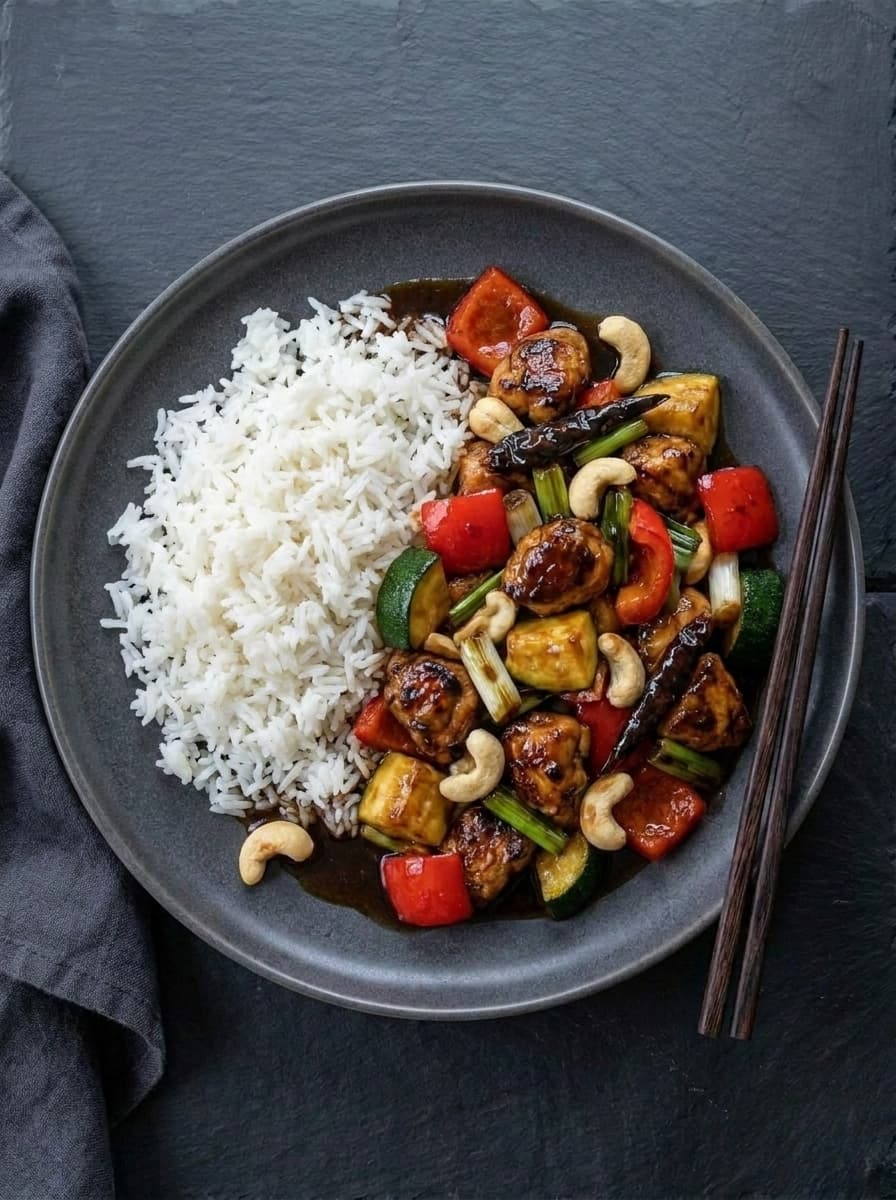
The question isn't whether AI food photography is "good enough." The question is whether it's good enough to drive traffic, earn ad revenue, and sell your recipes to readers who will never know the difference.
After shipping 1,000+ AI-generated food images to paying clients, here's what we've learned.
The Quality Gap Has Closed
Two years ago, AI food photos looked like plastic. Shiny surfaces, impossible lighting, hands with six fingers. That era is over.
Today's AI image generators — when prompted correctly — produce editorial-quality food photography that matches what you'd get from a $500 studio session. The key word is "prompted correctly." Most food bloggers type "chocolate cake on a white plate" and get generic stock-photo garbage. That's not an AI problem. That's a prompt problem.
At Zaytouna Studio, we've developed a prompt system with four signature styles after 2,000+ iterations. Every image is reviewed by our lead QC specialist before delivery.
Cost Comparison
Here's the honest math:
- Professional food photographer: $300–$800 per recipe (studio, props, editing)
- Stock photography: $5–$15 per image (but everyone uses the same ones)
- AI food photography: $15 per set of 5–6 images at Zaytouna Studio
For a food blogger publishing 10 recipes a month, that's the difference between $3,000–$8,000 and $150. The savings compound fast.
Speed Advantage
A professional shoot requires scheduling, prep, cooking, shooting, and editing. That's a 1–2 week pipeline per recipe.
AI-generated images take 48 hours from recipe name to delivered files. For food bloggers on a content calendar, that speed difference is the difference between publishing on time and falling behind.
Does Google Care?
This is the question every food blogger asks. The answer: Google cares about user experience, not how images were made. If your images are high-quality, properly sized, have descriptive alt text, and enhance the content — Google treats them the same as photographed images.
What Google does penalize is low-quality, generic, or missing images. A blog post with five well-styled AI food photos will always outperform one with a single blurry phone shot.
When Real Photography Still Wins
AI isn't the right choice for everything:
- Hands in frame — AI still struggles with realistic human hands interacting with food
- Exact recipe replication — if your readers need to see exactly what the finished dish looks like from your specific recipe, a real photo is more honest
- Personal brand content — your face, your kitchen, your story. AI can't replace that
For everything else — hero shots, overhead compositions, process grids, styled flatlays — AI delivers consistent, professional results at a fraction of the cost.
The Bottom Line
AI food photography isn't replacing professional photographers. It's replacing the absence of professional photography on food blogs that can't afford $500 per recipe. And for that use case, it's a game changer.
What to Read Next
- Food Photography for Food Bloggers: The Complete Guide — covers both AI and real photography
- Best AI Food Image Generators Compared — Midjourney, DALL-E, Flux tested
- Food Photography Equipment Guide — if you decide to shoot real photos
- Food Photography Styles Explained — the styles AI does best (and worst)
Want to see the quality for yourself? Browse our gallery — every image is AI-generated and live on a paying client's food blog.