Food Photography Styles Explained: Dark, Moody, Rustic, Overhead & More
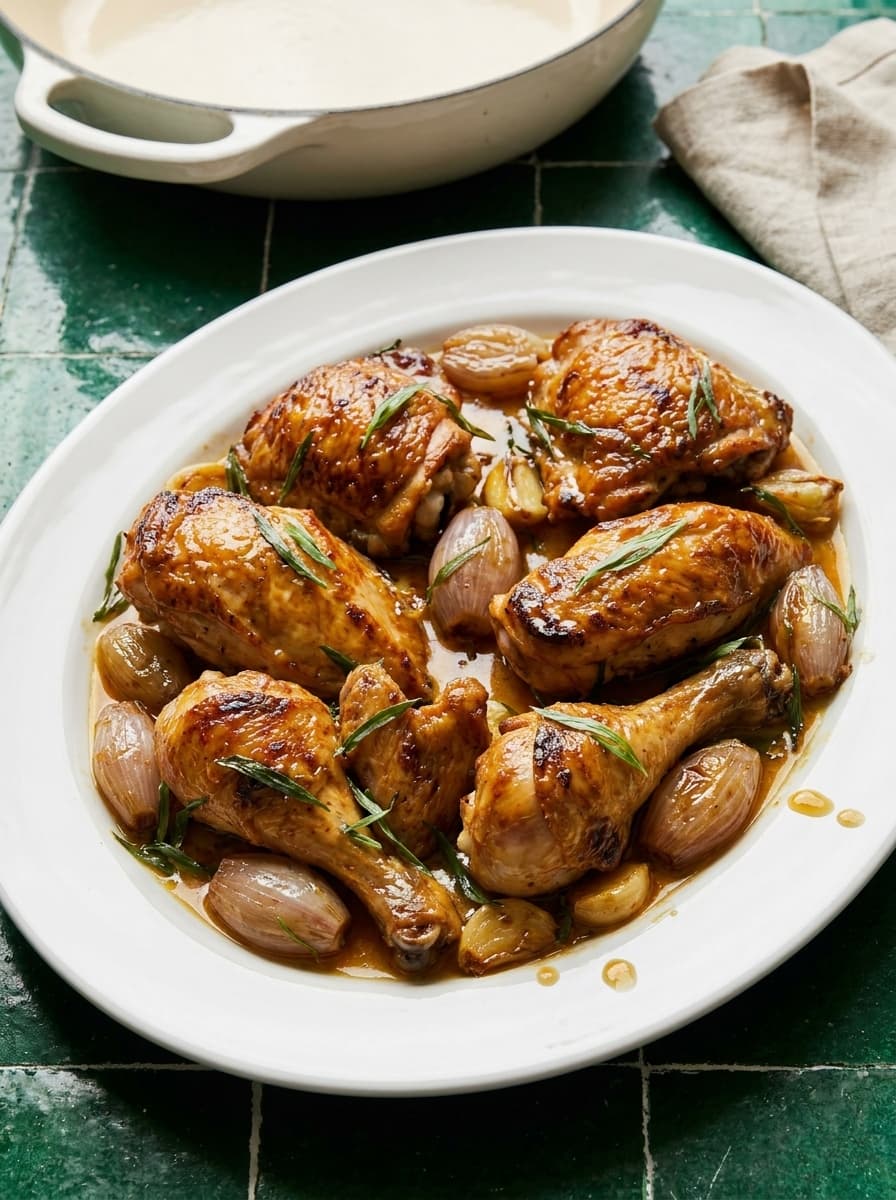
Food photography style is what separates a blog that looks professional from one that looks like a phone dump. Your style is your visual brand — it's what makes readers recognize your content on Pinterest before they read a word.
Here's a breakdown of every major food photography style, when to use each, and how to achieve them.
Dark Food Photography
Dark food photography uses deep, shadowy backgrounds and dramatic lighting to create moody, atmospheric images. Think: the food is lit, the background fades to black.
Characteristics:
- Dark backgrounds (black, dark gray, dark wood)
- Single directional light source (usually from one side)
- Deep shadows with minimal fill light
- Rich, saturated colors in the food
- Shallow depth of field
Works best for:
- Comfort food (stews, braises, roasts)
- Baked goods (bread, pastries with golden crust)
- Beverages (coffee, cocktails, hot chocolate)
- Any dish where you want to emphasize warmth and richness
How to shoot it:
- Use a dark background (black foam board, dark slate, dark wood)
- Position your light source to one side (window or LED panel)
- Block light from the opposite side with a black card (negative fill)
- Shoot at f/2.8–f/4 for shallow depth of field
- Slightly underexpose and adjust in editing
Dark food photography is one of the highest-performing styles on Pinterest for comfort food and dinner recipe blogs. The drama stops the scroll.
Moody Macro Food Photography
Moody macro takes dark photography a step further — extreme close-ups that show texture, moisture, and detail you can almost taste.
Characteristics:
- Very close shooting distance (filling the frame with the subject)
- Emphasis on texture: maillard crust, bubbling cheese, dripping sauce
- Bokeh (blurred background) from wide apertures
- Warm color temperature
- Often captures steam, drips, or action
Works best for:
- Hero shots of the finished dish
- Pinterest pins (extreme detail stops the scroll)
- Any dish with visible texture (crispy, caramelized, glossy)
- Process shots showing searing, pouring, or slicing
How to shoot it:
- Use a macro lens (90–100mm) or get close with a 50mm
- Shoot at f/1.8–f/2.8 for maximum background blur
- Focus precisely on the most textured area (crust, surface detail)
- Use a reflector to bounce a tiny bit of light into shadows
- Capture action: pour sauce, slice bread, pull cheese while shooting
Rustic Food Photography
Rustic style feels warm, handmade, and inviting. Think: farmhouse kitchen, Sunday cooking, the meal your grandmother would make.
Characteristics:
- Warm wood surfaces (oak, walnut, reclaimed wood)
- Natural textures: linen napkins, burlap, woven placemats
- Matte, earth-toned props (stoneware, clay, cast iron)
- Warm, directional natural light
- Slightly imperfect styling (crumbs, drips, flour dust)
Works best for:
- Homestyle cooking and comfort food
- Bread and baking content
- Farm-to-table or seasonal recipes
- Any niche where "homemade" and "authentic" are selling points
How to shoot it:
- Use a warm-toned surface (real wood or vinyl backdrop)
- Choose matte props over shiny ones (stoneware > porcelain)
- Add texture layers: linen under the plate, wooden spoon beside
- Let the styling feel natural, not perfectly arranged
- Shoot with warm white balance (5500–6000K)
Clean Editorial Food Photography
Clean editorial is the style you see in high-end cookbooks and food magazines. Minimal, precise, and sophisticated.
Characteristics:
- White or light marble surfaces
- Minimal props (1–3 items total)
- Bright, even lighting (usually overhead or 45-degree)
- Precise, intentional styling
- Lots of negative space
- Cool-to-neutral color temperature
Works best for:
- Health food and clean eating blogs
- Recipe blogs targeting a premium audience
- Dishes with vibrant, colorful ingredients
- Flat lay / overhead compositions
How to shoot it:
- Use a white or marble surface (real marble, tile, or vinyl backdrop)
- Keep props minimal: one plate, one napkin, maybe a fork
- Light evenly from above or from a large side window
- Use a reflector on the shadow side for even fill
- Leave space around the dish (don't fill every inch of the frame)
Overhead Food Photography
Overhead (flat lay) is a composition angle, not a style — but it's so common in food blogging that it deserves its own section.
Characteristics:
- Camera directly above the food, shooting straight down
- Shows the full spread: multiple dishes, ingredients, props
- Works with any lighting style (bright, moody, rustic)
- Emphasizes arrangement and color patterns
Works best for:
- Full meal spreads and table scenes
- Bowls, salads, pizza, flat dishes (anything that looks good from above)
- Ingredient shots and recipe components
- Pinterest pins (overhead images perform very well)
How to shoot it:
- Mount your camera on a tripod with an extending arm, or stand on a chair
- Level the camera exactly parallel to the surface (no tilting)
- Arrange items in circular or diagonal patterns for visual flow
- Leave breathing room between elements
- Watch for shadows from your body or tripod — reposition light if needed
Bright & Airy Food Photography
Bright and airy is the opposite of dark/moody. Light, fresh, and clean — often associated with healthy eating and summer content.
Characteristics:
- Bright, even lighting with soft shadows
- Light-colored surfaces and props
- Slightly overexposed or high-key look
- Fresh, vibrant food colors pop against the light background
- Feels clean, healthy, and approachable
Works best for:
- Salads, smoothie bowls, fresh fruit, light dishes
- Health and wellness food blogs
- Summer and spring content
- Brands targeting a younger, Instagram-savvy audience
How to shoot it:
- Maximize natural light (large window, sheer curtain for diffusion)
- Use white surfaces and white/light-gray props
- Slightly overexpose (+0.3 to +0.7 in camera or editing)
- Keep shadows very soft using reflectors on both sides
Minimalist Food Photography
Minimalist strips everything back to the essentials: one dish, minimal props, maximum focus on the food itself.
Characteristics:
- Single subject, single plate
- One or zero props
- Simple, solid-color background
- Strong focus on the food's shape, color, and texture
- Often uses geometric composition (centered or rule of thirds)
Works best for:
- Showcasing a single stunning dish
- Blog thumbnails and featured images
- Pinterest pins where clarity matters
- Any dish that's visually striking on its own
Which Style Should Your Food Blog Use?
The best food blogs pick one primary style and use it consistently. This builds visual brand recognition on Pinterest and in Google image search.
| Blog Niche | Recommended Primary Style |
|---|---|
| Comfort food, dinners | Dark or Rustic |
| Healthy eating, salads | Bright & Airy or Clean Editorial |
| Baking, bread, desserts | Rustic or Moody Macro |
| Quick weeknight meals | Clean Editorial or Bright |
| Premium/aspirational | Clean Editorial or Minimalist |
| BBQ, grilling, meat | Dark or Moody Macro |
You can mix styles, but your hero shots (Pinterest pins, featured images) should follow a consistent look. Readers should recognize your content before they read the title.
What to Read Next
- Food Photography for Food Bloggers: The Complete Guide — the full playbook
- Food Photography Equipment Guide — cameras, lenses, lighting for each style
- AI Food Photography vs Real Photography — when AI matches each style
- Food Photography Backgrounds Guide — the surfaces that define each style
- Overhead Food Photography: How to Shoot Perfect Flat Lays — mastering the most popular angle
Want consistent, on-brand food photography without shooting it yourself? Our AI food photography service delivers images in four signature styles — Clean Editorial, Rustic Oak, Moody Macro, and Process Grids.