Food Photography for Food Bloggers: The Complete Guide
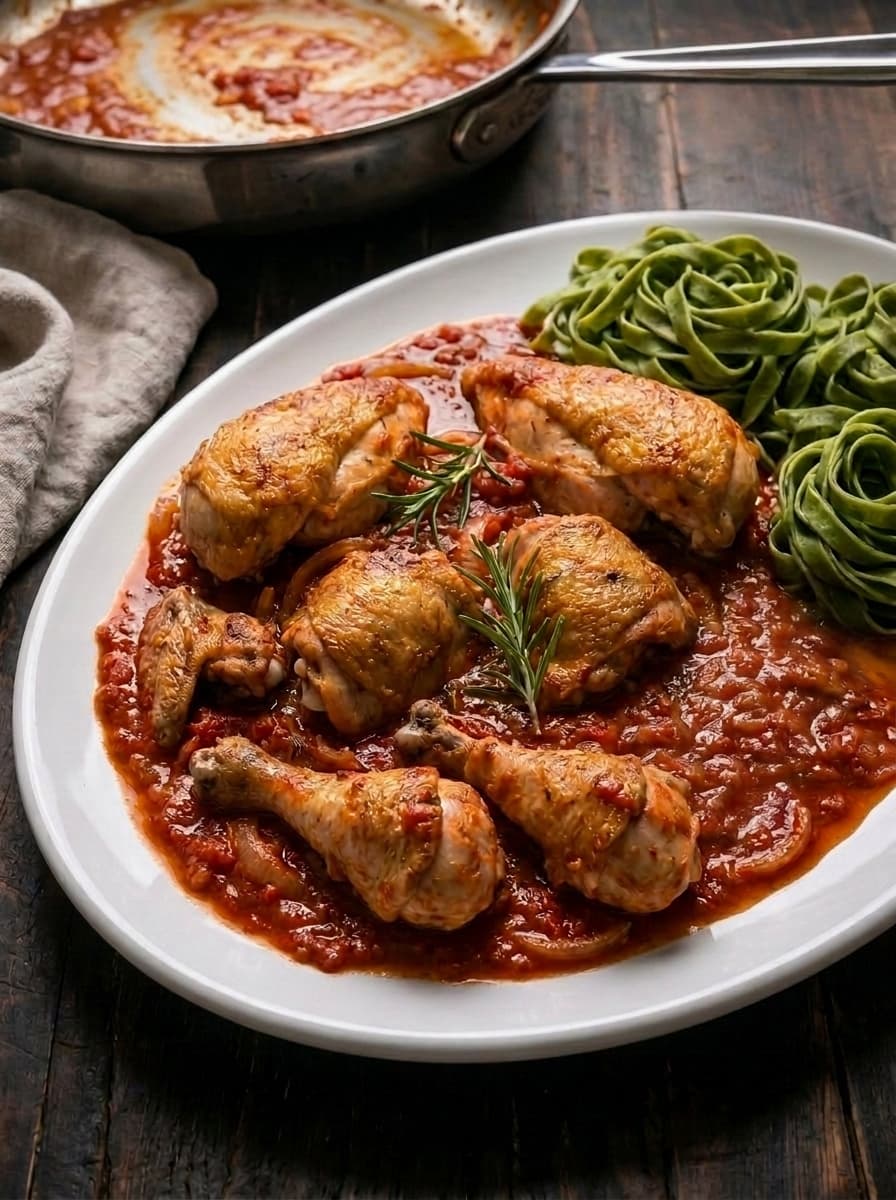
Food photography is the difference between a food blog that looks professional and one that looks like a phone dump. Your images sell the recipe before the reader reads a word — on Pinterest, in Google image search, and on your blog itself.
After shipping 1,000+ food images to paying clients across 25+ food blogs, this guide covers everything a food blogger needs to know about food photography in 2026.
Why Food Photography Matters for Your Blog
Three reasons food photography directly affects your bottom line:
Pinterest performance. Pinterest is a visual search engine. Your pin image is a 2-second audition. High-quality food photography stops the scroll and earns the click. Low-quality images get scrolled past.
Ad network approval. Mediavine and Raptive review your site's visual quality during the application process. Blurry phone photos can get you rejected. Clean, consistent food photography helps you pass.
Reader trust. Readers decide whether to trust your recipe within 3 seconds of landing on your post. Professional-looking food photos say "this person knows what they're doing." Bad photos say the opposite.
Food Photography Equipment
You don't need a $2,000 camera. You need good light and basic gear.
The starter kit (under $50):
- Your phone (iPhone 14+ or Samsung Galaxy S23+)
- White foam board reflector ($3)
- Phone tripod ($15-25)
- 2-3 neutral plates from a thrift store ($10)
The intermediate kit ($700-1,200):
- Entry mirrorless camera (Sony a6400, Canon EOS M50 II)
- 50mm f/1.8 lens
- LED panel with softbox
- Vinyl backdrop boards
For the full breakdown of cameras, lenses, lighting, and where to buy, read our Food Photography Equipment Guide.
Food Photography Lighting
Lighting makes or breaks every food photo. Period.
Natural light from a large window is the gold standard. Place your food 1-3 feet from the window, use a white foam board on the opposite side to fill shadows. This setup produces professional results for free.
LED panels ($80-200) give you consistent light at any time of day. Pair with a softbox for soft, natural-looking results. Essential if you shoot at night or don't have good window light.
The key principle: soft, directional light from one side. Hard light (direct sun, bare flash) creates harsh shadows that make food look unappetizing. Soft light wraps around the food and shows texture beautifully.
For detailed lighting setups, see the lighting section in our Equipment Guide.
Food Photography Styles
Your photography style is your visual brand. Pick one primary style and use it consistently across your blog and Pinterest.
Dark food photography — dramatic, shadowy, moody. Best for comfort food, baked goods, and dishes where you want to emphasize warmth and richness.
Rustic food photography — warm wood surfaces, linen napkins, matte stoneware. Best for homestyle cooking and farm-to-table content.
Clean editorial — white or marble surfaces, minimal props, bright even lighting. Best for health food, salads, and premium recipe content.
Moody macro — extreme close-ups showing texture, bokeh, and detail. Best for hero shots and Pinterest pins.
For a complete breakdown of each style with shooting tips, read our Food Photography Styles Guide.
Food Photography Composition
Composition is how you arrange elements in the frame. Three angles dominate food photography:
Overhead (flat lay) — camera directly above the food. Best for spreads, bowls, pizza, salads, and anything that looks good from above. The most Pinterest-friendly angle. Learn more in our Overhead Food Photography guide.
45-degree angle — the natural angle you see food from when sitting at a table. Best for dishes with height — stacked pancakes, burgers, layer cakes. Versatile and natural-looking.
Straight-on — camera level with the food. Best for tall items — drinks, layer cakes, stacked sandwiches. Shows height and layers.
Rule of thirds: Enable the grid overlay on your camera. Place the main dish at an intersection point — not dead center. Off-center compositions look more professional and leave space for text overlays on Pinterest pins.
Food Photography Props
Props set the scene. But less is more — beginners always add too many.
Essential props:
- 2-3 neutral plates (matte ceramic, not shiny)
- 1-2 linen napkins
- Basic flatware
- 1 cutting board
- 2 small bowls for ingredients
Sources: Thrift stores (unique ceramics cheap), IKEA (clean modern pieces), your own kitchen.
For a detailed props guide including what to avoid, read our Food Photography Props on a Budget guide.
Food Photography Backgrounds
Your background sets the mood. You need 2-3 versatile options.
Starter backgrounds:
- White foam board (clean editorial)
- Dark gray/black foam board (moody)
- A piece of weathered wood (rustic)
Vinyl backdrops ($25-60) from Replica Surfaces or Bessie Bakes are double-sided and look like marble, concrete, or wood. Compact and convincing.
For the full guide on backgrounds, including DIY options, read our Food Photography Backgrounds Guide.
Shooting With Your Phone
Modern iPhones and Samsung phones shoot food photography that's genuinely hard to distinguish from mirrorless camera output — if you know how.
Key phone photography tips:
- Always shoot near a window (natural light)
- Use portrait mode for background blur
- Lock focus and exposure by tapping and holding
- Use the 2x zoom on Pro models for less distortion
- Never use flash
For the complete phone photography workflow, read our iPhone Food Photography Guide.
Editing Food Photos
Shooting is half the job. Editing makes good photos great.
Free apps: Lightroom Mobile (best overall), Snapseed (Google's free editor), VSCO (preset-based).
The editing workflow:
- Straighten and crop
- Adjust white balance (warm for comfort food, neutral for salads)
- Lift shadows slightly
- Pull highlights down slightly
- Add a touch of warm saturation
- Sharpen for web
For app recommendations and detailed workflows, read our Food Photography Editing Guide.
AI Food Photography
AI-generated food photography has gone from plastic-looking garbage to editorial quality. For food bloggers publishing 4-20 recipes per month, AI images are now a legitimate option.
When AI works well: Hero shots, styled compositions, process grids, any image where you're not showing the exact dish you personally cooked.
When real photography wins: When you need to show the specific dish from your recipe for authenticity (E-E-A-T), or when hands interact with food.
The practical approach: Most smart food bloggers use both — one real photo of the actual dish plus 4-5 AI images for hero, process, and styled shots.
For a detailed comparison, read our AI Food Photography vs Real Photography guide. To compare AI tools, see our AI Food Image Generator Guide.
What to Read Next
- Food Photography Equipment Guide — cameras, lenses, lighting at every budget
- Food Photography Styles Guide — dark, moody, rustic, editorial explained
- iPhone Food Photography Tips — shoot with your phone
- AI Food Photography vs Real — when to use each
- AI Food Image Generator Guide — tools tested and compared
- Food Photography Editing Guide — apps and workflow
- Overhead Food Photography — master flat lays
- Food Photography Backgrounds — DIY and vinyl options
- Food Photography Props on a Budget — what to buy first
Don't want to deal with photography at all? Our AI food photography service delivers 5-6 editorial images per recipe for $15/set — no equipment, no editing, no hassle.